Research
Secondary rodenticide poisoning risk arising from winter farmyard use by the European polecat Mustela putorius

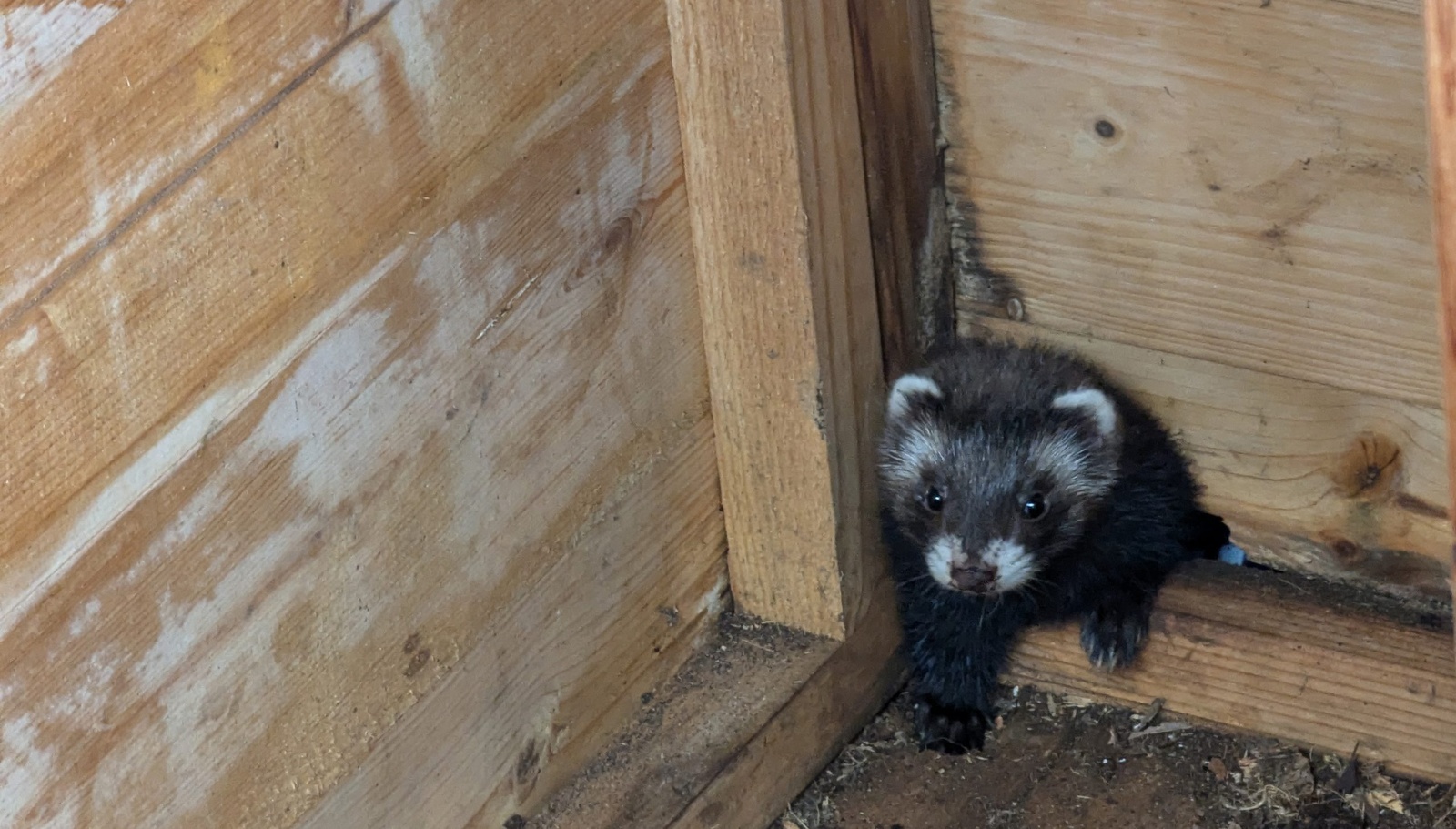
To confirm the mechanism of exposure of polecats to rodenticide, radio-tracking was used to examine the species' use of agricultural premises during winter when rodenticides are mainly applied to control rodents. Ten out of 11 polecats radio-tracked made some use of such premises, and compositional analysis indicated that these were the most preferred of all habitats used. Foraging for farmyard rodents (which comprised 65% of the diet of farmyard-using polecats in this study), rather than a response to cold weather, is believed to explain this behaviour.